

The World of Alloys | Classification, History, and Applications
The world of alloys is a world of metallic compounds that are created by combining two or more elements to improve their physical ...
 06/09/2025
 2 min
2 minThe world of alloys is a world of metal compounds that are created by combining two or more elements to improve their physical, mechanical and chemical properties compared to pure metals or to add new properties to them. This product are widely used in various industries including aerospace, automotive, construction and medicine.
What is an alloy?
An alloy is a combination of two or more elements, one of which is the base metal and the other elements are added to it to improve the properties of the base metal. For example, steel is an alloy of iron and carbon, which has greater strength than pure iron due to the presence of carbon.
Types of alloys:
They can be divided into two general categories: ferrous and non-ferrous.
Ferrous alloys:
Alloy whose base metal is iron. Steel and cast iron are in this category.
Non-ferrous alloys:
Alloy whose base metal is other than iron. Brass, bronze, aluminum, and titanium are in this category.
Applications of alloys:
Alloy have found wide applications in various industries due to their special properties. Some of the important applications of alloys are:
Aerospace:
Light and resistant alloy such as aluminum-lithium and titanium alloy are used in the construction of aircraft bodies.
Automotive:
Aluminum and steel alloy are used in the construction of automobile parts.
Construction:
Steel and aluminum alloy are used in the construction of various buildings and structures.
Medicine:
Titanium alloy are used in dental implants and joint replacements due to their biocompatibility and high strength.
Electronics:
this product containing copper, zinc, and nickel are used in wiring and electrical connections.
History of alloys:
The production of alloys by humans dates back to ancient times. Early humans produced bronze by combining copper and tin. With the advancement of science and industry, new types of them have been produced with diverse properties.
Advantages of alloys:
Increase in strength:
They are usually stronger than pure metals.
Increase in corrosion resistance:
Some of them are more resistant to corrosion.
Improvement in physical and mechanical properties:
Alloys can improve properties such as ductility, flexibility, and conductivity.
Variety of properties:
By changing the ratio of the constituent elements, their properties can be changed as desired.
Overall, alloys play an important role in the progress of various industries and improving the quality of human life.
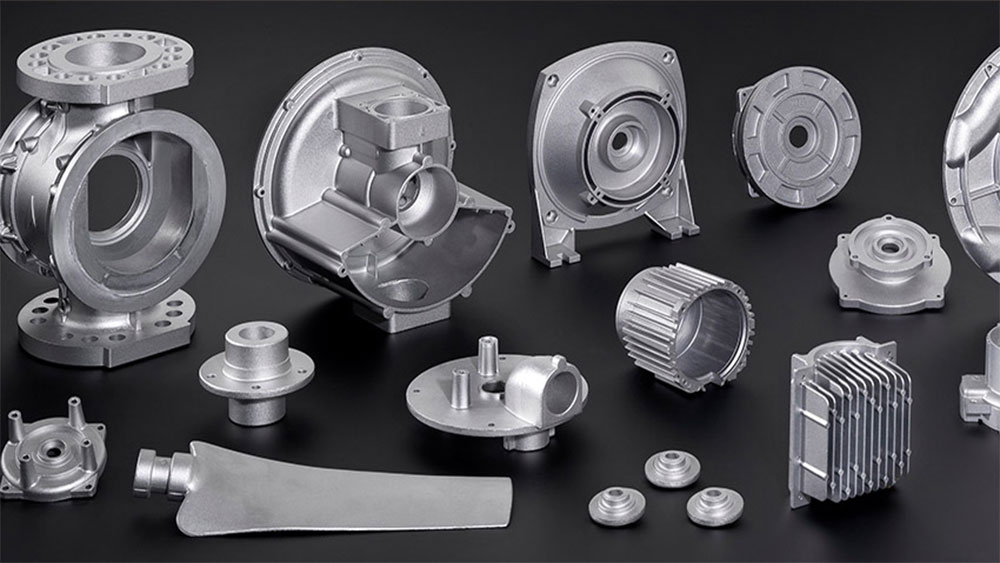
What is die casting? A complete introduction to the die casting or pressure casting process
Die casting is one of the most advanced and widely used methods in the metal parts manufacturing industry, which is used in various...


Specialized exhibition of steel, metallurgy and casting in Shiraz
The second specialized exhibition of steel, metallurgy, casting, forging, machining, welding and refractory and refractory industries ...